hello world!

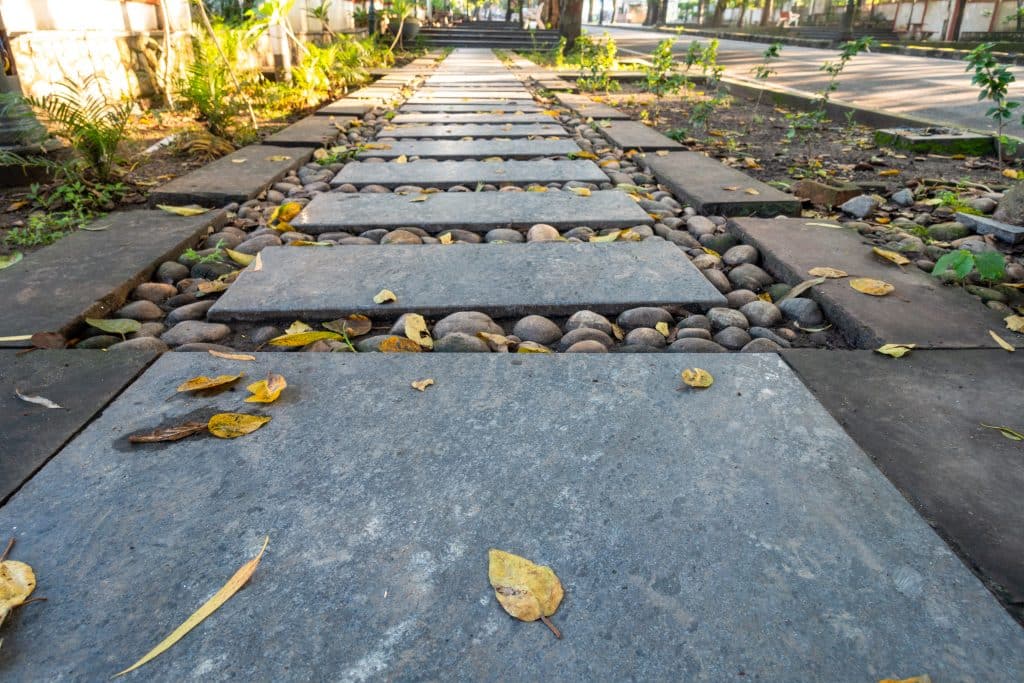
Decorative stone is the finishing layer of a yard. It adds colour and texture to garden beds and pathways, and, best of all, it doesn’t break down each season the way mulch does. That said, choosing the right stone comes down to the look you want and where it is going.
In this guide, we walk through the main types of decorative stones for landscaping, where each one works best, and how stone coverings compare with traditional mulch. Once you’re ready to make your choice, Hamilton Builders’ Supply carries a full range of landscaping aggregates in both bagged and bulk form, so there’s plenty to choose from.
Stone adds colour, texture and contrast to garden beds, pathways and entrances. Decorative rocks for garden beds also do some practical work: they help limit weed growth and help the soil hold moisture.
Upkeep is light, too. Once stone is in place, it only needs the occasional raking, levelling or topping up to stay looking good.
Decorative stone is one of several types of landscaping aggregates, each with its own job, from bases and drainage to the finishing layer.
Tell us what you’re working on and our team will help you source the right landscape and building supplies for your project anywhere in Southern Ontario.
Here are the main types of landscaping rocks and garden stones we carry, and what each one brings to a yard:
River stone has a smooth, natural look and is one of the most versatile options. It enhances shrubs, entrances and terraces, and it helps limit weed growth and keep soil moist. A river stone garden bed holds its finish one season after another, which is why many homeowners use it in place of mulch.
Pea gravel is made of small stones that natural weathering has smoothed, leaving rounded edges. It comes in a range of colours, and it makes a comfortable surface for pathways and play areas.
Named for its large, rounded, potato-like shape, this stone adds rustic charm. Choose it for beds and features where you want a bold, chunky look.
These naturally tumbled stones have a luminous sheen. White decorative stones stand out against dark mulch, green foliage and other darker elements, so they’re a good pick where you want contrast.
Red granite is a vibrant, warm choice that makes a statement in garden beds and pathways. Black granite is sleek and chic, and a favourite for modern designs and strong contrasts.
Glistening golden pebbles with a smooth, sun-toned finish and a coastal feel. They suit garden paths and accents.
Finely crushed red brick adds a splash of warm colour to garden beds and pathways, and gives them a welcoming feel. The 3/8" size is the finer grade.
Start with the spot you want to add stone to, then pick the aesthetic. Here is where each stone works best.
| Area | Stones to consider | Why |
| Garden beds and around shrubs | River stone, potato stone, white stone, red crushed brick (3/8") | River stone enhances shrubs and limits weeds; potato stone is bold and rustic; white stone and crushed brick add contrast and colour |
| Pathways | Pea gravel, coastal gold pebbles, red granite, red crushed brick (3/8") | Pea gravel is a comfortable surface; gold pebbles and red granite add colour; crushed brick adds warmth |
| Entrances and terraces | River stone | Enhances entrances and terraces while limiting weed growth |
| Modern designs and accents | Black granite, white stone, coastal gold pebbles | Black granite is sleek and offers modern contrast; white stone stands out against darker elements; gold pebbles make smooth accents |
Decorative stone also pairs naturally with natural stone features elsewhere in the yard.
Stone and mulch are both good options for garden care, but they suit different looks and different needs.
Stone lasts longer and doesn’t break down each season. Mulch helps retain soil moisture, suppress weeds and regulate soil temperature. Generally, cedar mulch breaks down more slowly than other organic mulches.
It comes down to the appearance you want and the needs of your plantings. If you like the earthy warmth of mulch, it’s a great fit. If you’d rather have colour and texture that stay put, go with stone. Our team can talk you through both when you visit us in store.
It depends on the size of the area and how deep you want the layer.
Measure the length and width, decide on a depth, and work out the volume from there. The same method used for pathways and driveways works for beds too. Or send us your measurements, and we’ll help you work it out.
Not much. Properly placed stone just needs the odd rake, level or top-up to keep looking its best.
Yes. Visit one of our locations in Hamilton, Burlington, Winona or St. Catharines to see the stones in person and talk to our team.
The best decorative stone is the one that suits the look you want and where it’s going. Visit a Hamilton Builders’ Supply location to see our range of stones in person, or request a quote and we’ll help you choose. We offer bagged and bulk options, with delivery available from our locations in Hamilton, Burlington, Winona and St. Catharines.
Tell us what you’re working on and our team will help you source the right landscape and building supplies for your project anywhere in Southern Ontario.